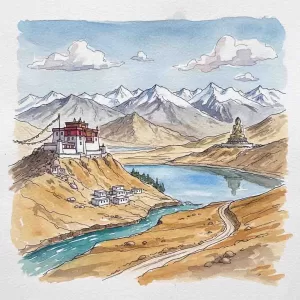



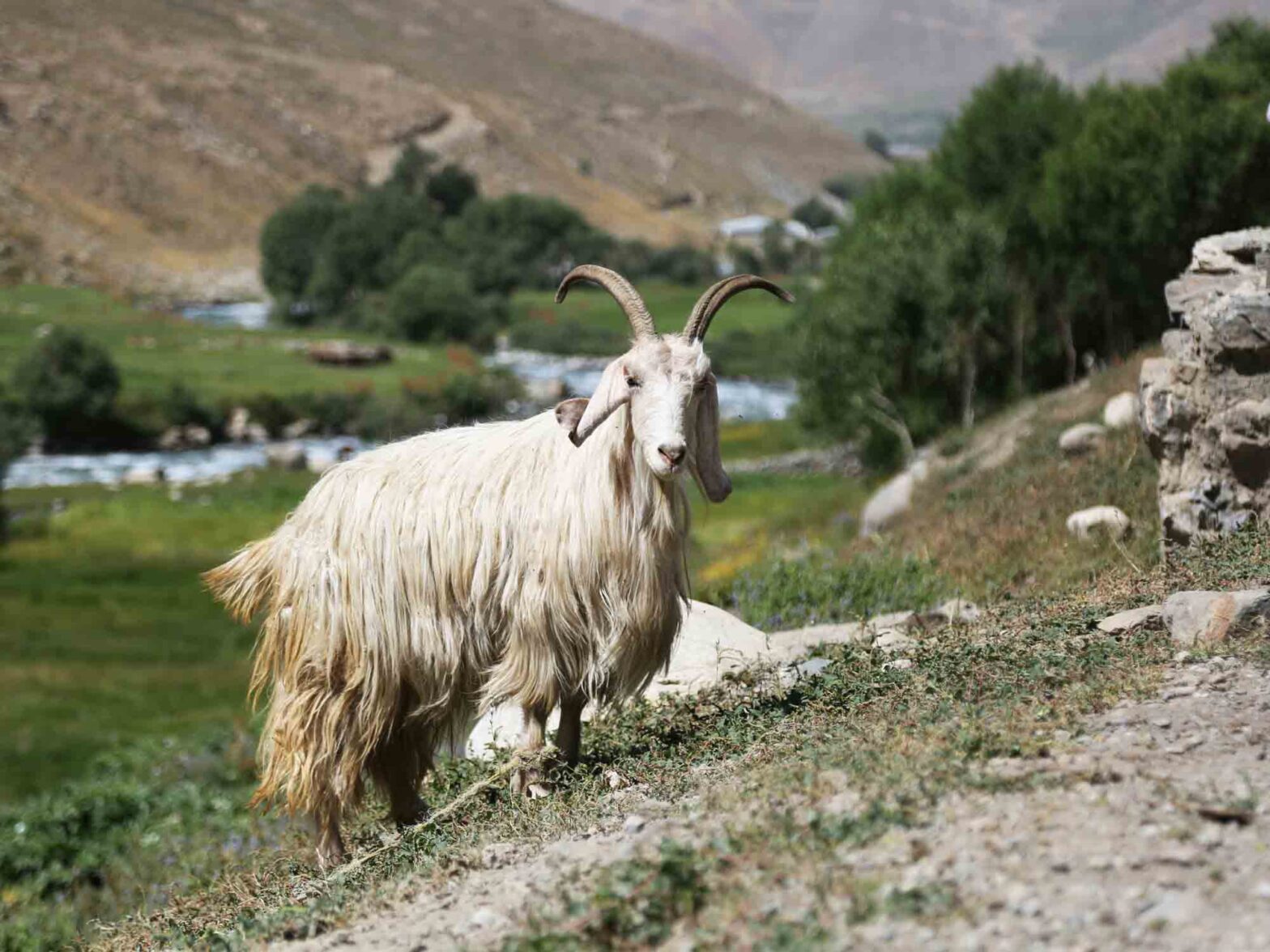
We often hear the term Pashmina while shopping for clothing, particularly shawls and sweaters. Hearing the word ‘Pashmina’ brings to mind images of soft, warm fabric. These shawls are renowned across the world for their luxuriousness, but very few people know the story of the animal behind them-the Pashmina goat, alternatively known as the Changthangi goat. It is an animal native to the high-altitude areas of Ladakh, Tibet and Nepal. It is renowned for producing the finest natural fabric in the world-Pashmina wool.
In order to fully cherish the richness of the Pashmina shawl it is necessary to understand the nature of the Pashmina goat, its habitat and the generations-old tradition that blends heritage and cloth weaving to produce the legendary clothes everyone loves.
Origin of the Pashmina Goat In Ladakh
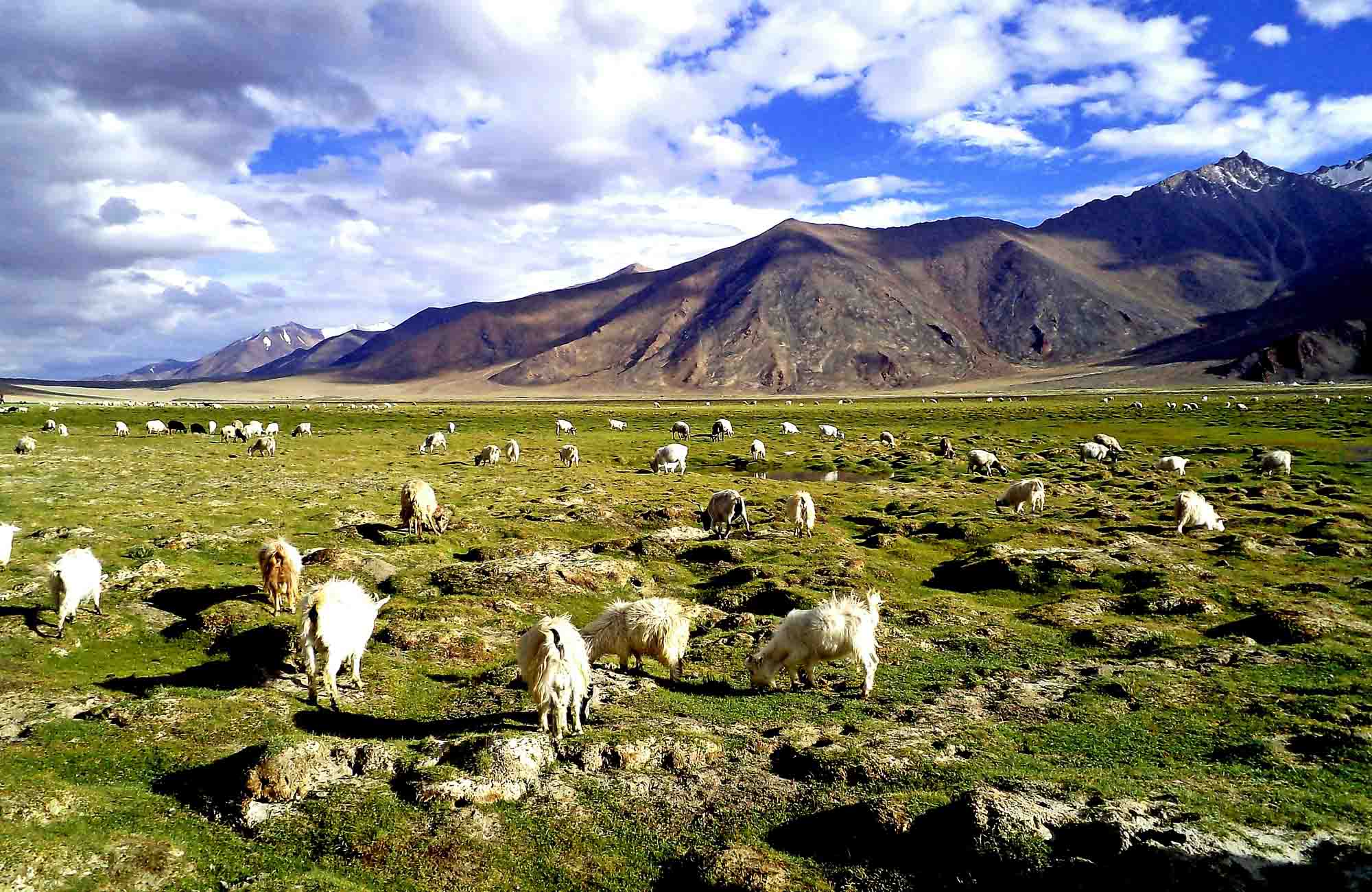
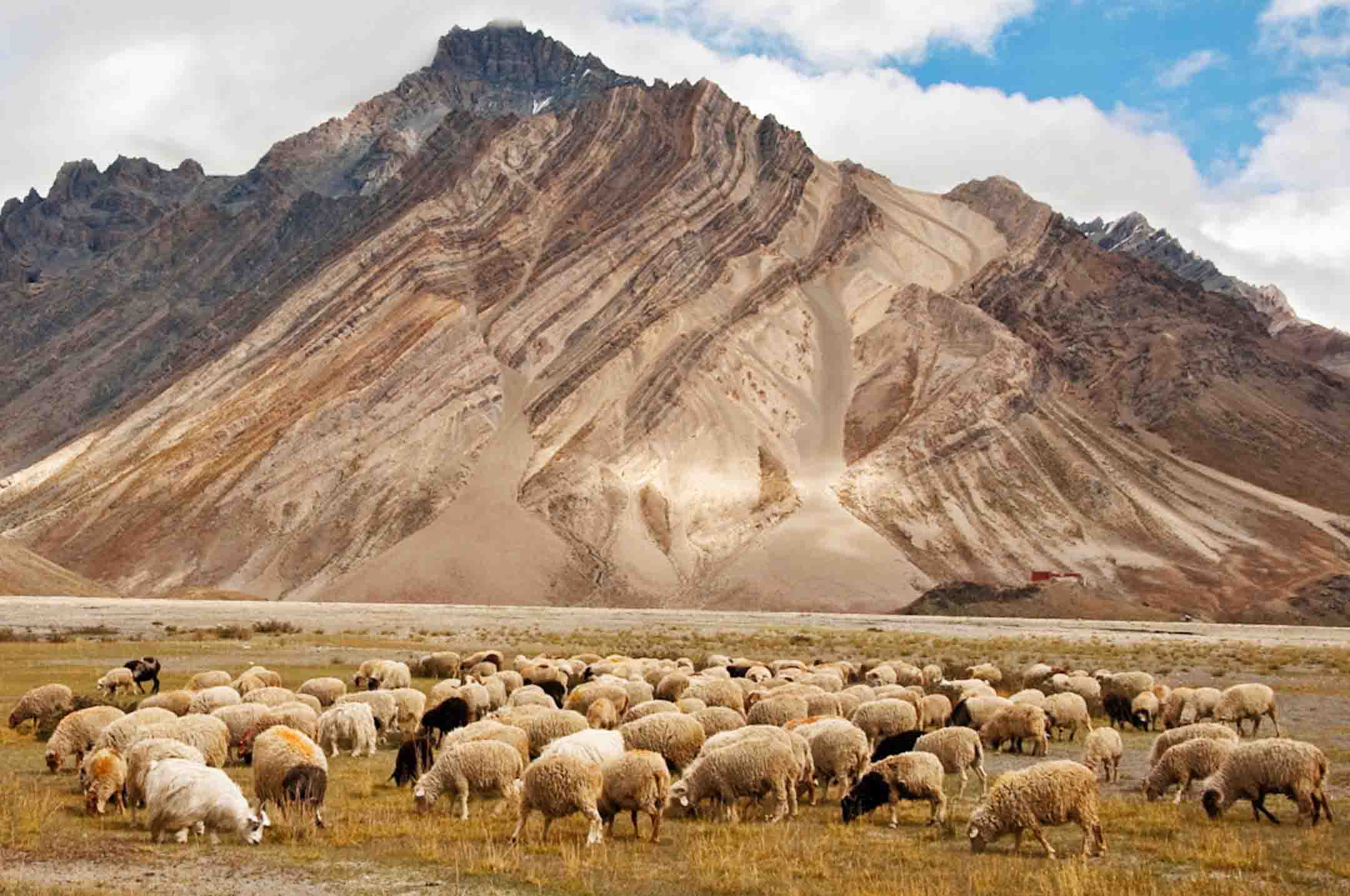
The Pashmina goat mainly dwells in the Changthang region of Ladakh, it is native to cold zones where the temperatures can range up to –30°C. These goats have evolved to bear the harsh climate, their bodies consist of a coarse outer layer that protects them against harsh winds and they have a fine undercoat named pashm, which is the source of the Pashmina wool and is harvested for making various apparel. Historical sources indicate that they were originally reared by the Changpa nomadic tribe. Their lifestyle required them to migrate often in search of grazing lands. Their traditional way of life has preserved this heritage for centuries.
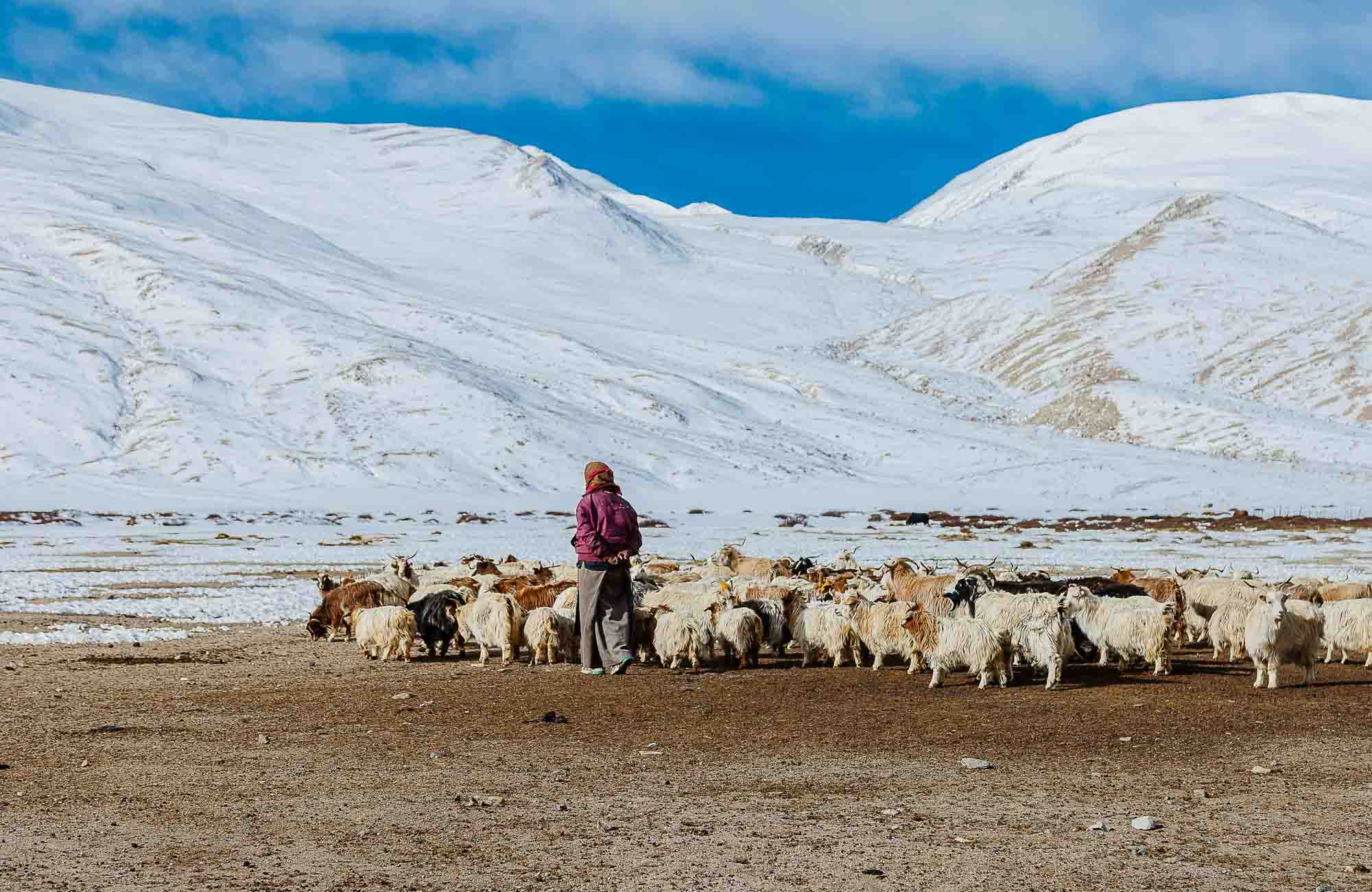
The Pashmina fabric gained popularity during the Mughal rule when the artists began to create delicate handwoven shawls from wool derived from Changthangi goats. The Pashmina shawl soon became a symbol of wealth and status. They were gifted to dignitaries and nobles. During the British rule, they were cherished as luxurious goods. Today, Pashmina is honoured as a national treasure, it has been allotted the Geographical Indication (GI) tag, it is deeply connected to the art and soul of India’s gifted artisans. It is associated with timeless elegance and luxury, making it one of the highlights of authentic Ladakh tours with Himalaya Visit. The Pashmina industry is a huge contributor to the economy of Kashmir and Ladakh.
Journey of the Pashmina Fabric
Each Changthangi goat produces approximately about 80–150 grams of usable wool per year making it extremely rare and high in value.
-
Harvesting-During the spring season which is the natural shedding period for the Changthangi goats, the herders comb the natural fabric from the body of the goats.
-
Cleaning and Sorting-The raw wool undergoes a thorough and painstaking process of separating the softest fibres from coarser ones. The women artisans of the herding communities play a major part in this process.
-
Spinning-The cleaned fibre then makes its way from Ladakh to Kashmir where the Kashmiri women spinners transform it into fine yarn using the charkha (spinning wheel), this is a centuries old art form.
-
Weaving Magic- The spun yarn is then given to master weavers, who use hand-operated wooden looms to weave it into shawls, stoles, and scarves. A single plain Pashmina shawl can take weeks to months to complete, while intricate embroidered ones may take up to a year, reflecting the dedication and hard work of the artists. Some Pashmina shawls are decorated with sozni embroidery-an art form which involves intricate needlework in silk threads.
Sustainable Fashion
Authentic Pashmina fabric is one of the most sustainable luxury fabrics in the world. It is extracted using natural methods rather than industrial methods, the wool is combed from the body of Changthangi goats during their natural shedding season to ensure that they are not harmed. The entire process from hand-spinning to hand-weaving is carried out by natural artisans which generates minimal environmental footprint. Since Pashmina fabric is genuine and durable, it encourages slow fashion rather than disposable clothing. Supporting authentic Pashmina is a way of preserving the environment and sustaining the livelihood of Himalayan herders and artisans who have painstakingly kept alive this tradition for centuries.
Challenges Facing The Pashmina Industry
Despite being legendary, the Pashmina industry is facing several challenges today that threaten its survival. The Changthangi goats can only thrive in extremely cold climates. Climate change triggered by global warming threatens its survival, making it difficult for nomadic herders to sustain large herds. Younger generations of the Changpa community are increasingly moving towards urban life and choosing other professions, as a result traditional practice of Pashmina rearing is slowly disappearing, reducing the availability of authentic wool. The weaving and spinning of Pashmina by hand is a time-consuming and labour-intensive process that requires immense patience. Several artisans are often underpaid, as a result, many are opting for more secure jobs, this has led to a sharp decline in the availability of skilled craftsmen.
The Way Forward
Tourists visiting Ladakh or Kashmir can make a huge difference in keeping the heritage of the legendary Pashmina alive and thriving.
-
Instead of going for cheap imitations, choose certified Pashmina products with GI tags and authenticity certificates, this will ensure that your purchase supports real artisans.
-
It is essential to learn the story behind Pashmina, how it is sourced, spun and woven, it can spread awareness across the globe.
-
Choose tours and experiences that highlight local crafts, this will encourage preservation of the local culture. Himalaya Visit offers several immersive local tours, giving you the opportunity to connect with local artisans.
Conclusion
The journey of Pashmina is more than just the making of a fabric-it is a timeless tale of the Himalayas, its fauna and its artists. Every fibre of Pashmina embodies centuries of tradition, resilience, and cultural pride. However, amidst stiff competition from the modern apparel industry and climate change, the Pashmina industry is struggling for survival, a battle that can only be won by conscious buyers and tourists.
By valuing and supporting sustainable practices, and appreciating authentic Pashmina we can help preserve one of the world’s most extraordinary fabrics. Owning Pashmina is not simply about warmth and elegance-it is about carrying a piece of history, and the soul of the Himalayas.
Experience the Soul of the Himalayas with Himalaya Visit
Discover the land where the legendary Pashmina originates with Himalaya Visit, your trusted partner for authentic Himalayan journeys. Our curated Ladakh tours take you beyond ordinary sightseeing-into the heart of nomadic culture, artisan workshops, and stunning landscapes. Stay at our luxury camps in Ladakh, explore high-altitude pastures, and witness the age-old tradition of Pashmina weaving firsthand.
With Himalaya Visit, every journey becomes a story, woven with heritage, adventure, and unforgettable Himalayan experiences.